

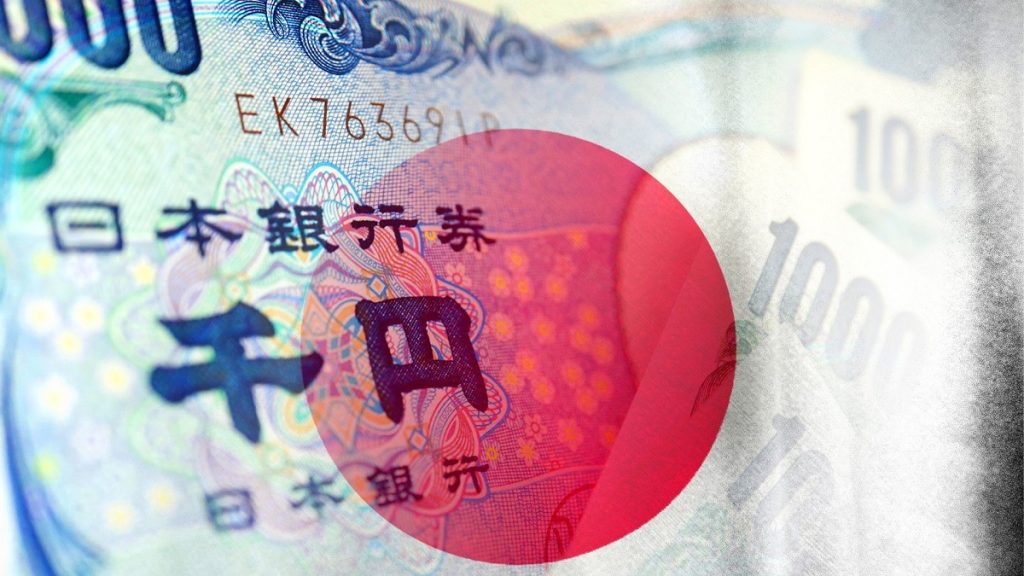
The yen occupies a unique position in global finance, and its movements are closely tied to the policies of the Bank of Japan (BOJ). For decades, the BOJ’s ultra-accommodative stance has kept interest rates extremely low, influencing not only Japan’s domestic economy but also the behavior of international investors. In recent years, prolonged intervention, widening rate differentials with other advanced economies, and shifts in global risk sentiment have made yen volatility a persistent feature of currency markets. Analysts including Kavan Choksi / カヴァン・ チョクシ have highlighted how the BOJ’s decisions continue to play a central role in shaping the yen’s trajectory.
At the core of yen volatility is the interest-rate gap between Japan and other major economies. When the United States and Europe raise rates while Japan maintains near-zero or negative rates, investors often borrow in yen to invest in higher-yielding assets abroad. This strategy, known as the carry trade, puts downward pressure on the yen. As long as Japanese policy rates remain suppressed, this dynamic tends to keep the currency weaker. However, even minor shifts in BOJ policy expectations can quickly unwind carry trades, leading to sharp yen strengthening.
The BOJ’s yield curve control (YCC) framework, which caps long-term government bond yields, has also contributed to currency instability. By artificially suppressing Japanese yields, YCC widened the gap between Japan’s bond market and others, encouraging investors to seek returns elsewhere. When the BOJ adjusted its YCC parameters in 2022 and 2023, markets interpreted these moves as steps toward normalization. This triggered significant yen volatility, as traders speculated on the timing and pace of policy tightening.
Intervention has become another powerful source of movement. When the yen weakens rapidly—sometimes reaching levels not seen in decades—the Japanese government intervenes by buying yen and selling foreign reserves. These operations are designed to slow disorderly depreciation, but they signal to markets that authorities are uneasy with the currency’s trajectory. While interventions can temporarily strengthen the yen, they rarely shift long-term trends unless supported by broader policy adjustments.
The yen’s role as a safe-haven currency further complicates the picture. During periods of global uncertainty, investors often buy yen as they unwind risky positions. This behavior can cause abrupt appreciation, even when Japan’s economic fundamentals suggest a weaker currency. The dual identity of the yen—weakening in times of strong global growth, strengthening in times of stress—adds another layer of unpredictability to exchange-rate movements.
Domestically, yen volatility affects companies and households in tangible ways. A weaker yen benefits exporters by boosting the value of overseas earnings, but it also raises the cost of imports, contributing to inflation. Japanese households, long accustomed to stable prices, have felt the impact of a depreciating currency more acutely than in the past. Businesses relying on imported goods or materials face higher costs, which can squeeze margins unless they pass those increases to consumers.
As the BOJ gradually shifts toward policy normalization, global markets are watching closely. Any indication of higher rates or reduced intervention could significantly strengthen the yen, while continued divergence from other central banks may sustain weakness. The currency’s future path depends on a delicate balance of domestic policy decisions, global interest-rate trends, and investor psychology.
The yen’s volatility is not just a technical market phenomenon—it is a reflection of Japan’s broader economic challenges, the legacy of decades of unconventional monetary policy, and the complexities of an evolving global financial landscape.