

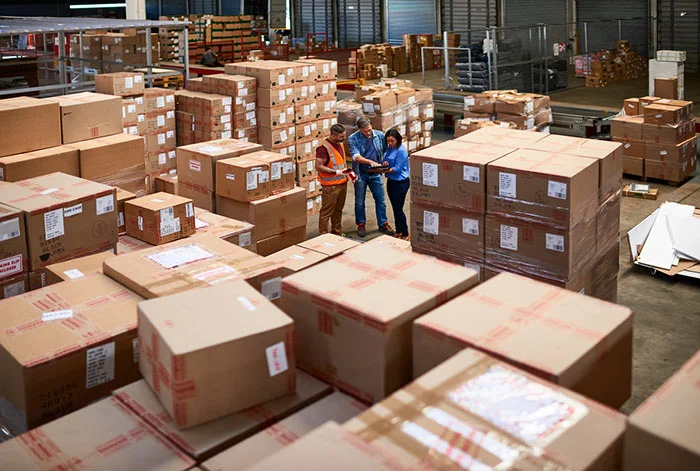
In today’s fast-paced business world, efficient warehouse management plays a vital role in ensuring smooth operations and reduced costs. As the demand for quick deliveries and seamless supply chain management increases, businesses are turning to technology to optimize their storage and logistics. Among these technologies, data analytics has emerged as a game-changer. By harnessing the power of data, businesses can significantly enhance their space utilization in warehouses, streamline operations, and improve overall productivity.
When businesses search for the ideal warehouse for rent, they often consider size, location, and facilities. But beyond these factors, data analytics can transform how that warehouse space is used on a daily basis. Whether a company stores raw materials, finished goods, or retail inventory, data-driven insights help managers make informed decisions about how to organize, allocate, and optimize every square meter of space. This not only saves costs but also improves efficiency and safety within the warehouse environment.
Understanding the Role of Data Analytics in Warehousing
Data analytics involves collecting, processing, and analyzing information to uncover patterns and trends that can guide better decisions. In the context of warehouses, data is collected from sensors, inventory systems, and automated tools to track item movement, shelf occupancy, and order flow. The insights gained from this data help businesses understand how their space is being used and where improvements can be made.
For example, by studying the frequency of product movement, warehouse managers can redesign the layout so that high-demand items are placed closer to dispatch areas. This reduces travel time for workers and improves order fulfillment speed. Similarly, analytics can identify underutilized areas, enabling businesses to reorganize storage or repurpose sections for other needs. For companies exploring a warehouse for rent, knowing how to make the best use of every square foot through analytics can make a significant difference in operational efficiency.
Enhancing Inventory Management
One of the most common challenges in warehouse operations is balancing inventory levels. Overstocking leads to wasted space, while understocking results in delayed deliveries and missed opportunities. Data analytics provides visibility into inventory patterns, helping managers predict demand and plan stock accordingly.
By using predictive analytics, businesses can forecast future inventory requirements based on seasonal trends, historical sales, and customer behavior. This ensures that space is used effectively, and storage areas remain organized and accessible. When selecting a warehouse for rent, companies can apply these insights to design a layout that supports both high-demand and low-demand inventory in an efficient manner.
Improving Layout and Space Utilization
An efficiently organized warehouse layout can greatly reduce operational costs and increase worker productivity. Data analytics helps map the warehouse layout by studying traffic patterns, item locations, and equipment movement. For instance, if forklifts are frequently delayed in certain areas due to congestion, analytics can identify the problem zones and suggest an optimized layout.
By analyzing data from IoT sensors or tracking systems, warehouse managers can continuously monitor space usage. This allows for real-time adjustments, such as relocating items or redesigning racks, to improve storage density without compromising safety or accessibility. Businesses that leverage analytics when managing a warehouse for rent often experience improved workflow, reduced downtime, and better space management.
Reducing Costs and Enhancing Efficiency
Effective space utilization directly impacts costs. When storage space is used wisely, businesses can delay expansion plans or avoid renting additional warehouses unnecessarily. Data analytics minimizes wasted space, reduces the need for manual labor, and ensures faster order processing—all of which contribute to lower operational expenses.
Furthermore, analytics helps identify inefficiencies in resource allocation, such as overstaffed zones or underutilized equipment. By addressing these issues, businesses can streamline operations, improve productivity, and maintain a competitive edge in the logistics industry.
Supporting Sustainability and Growth
Better space utilization also supports sustainability goals. Efficient warehouse operations reduce energy consumption, minimize waste, and lower transportation needs. By using analytics to optimize operations, businesses contribute to a greener, more sustainable future while simultaneously improving profitability.
For growing businesses, adopting a data-driven approach ensures that warehouse operations remain scalable and adaptable. Whether expanding product lines or increasing inventory turnover, analytics allows for continuous improvement and long-term growth.
Conclusion
In an era where efficiency and innovation drive success, data analytics is reshaping how businesses manage their storage and logistics operations. It empowers companies to make smarter decisions, optimize layouts, and reduce costs, all while improving productivity and sustainability. For those seeking a warehouse for rent, integrating data analytics into daily operations can transform a standard facility into a high-performance logistics hub. By using data to guide decisions, businesses not only maximize their warehouse space but also ensure smoother operations and a stronger competitive advantage in the market.