

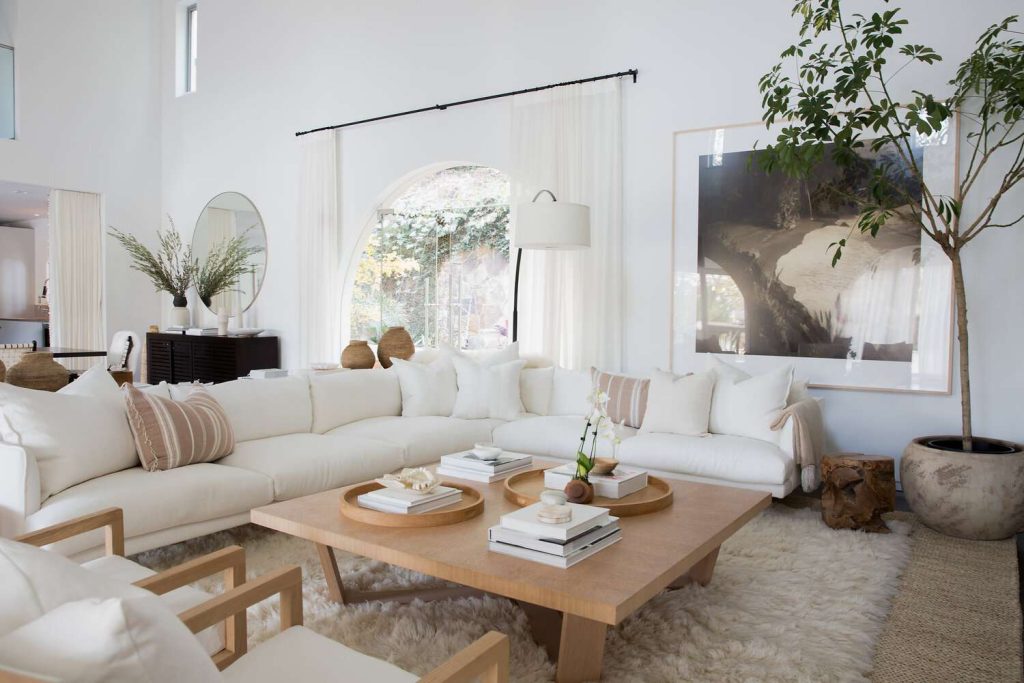
For many years, traditional interior design relied heavily on matching furniture sets. A bedroom would feature a matching wooden bed frame, matching nightstands, and a matching dresser. A dining room would contain a table, chairs, and a sideboard all crafted from the exact same stain of oak or cherry. While this approach provided easy cohesion, modern interior design has evolved away from rigid uniformity. Today, matching all of your wood furniture is widely considered flat, dated, and clinical.
Designing a sophisticated, modern space requires mixing different wood tones within the same room. When executed correctly, blending various wood species and finishes adds immediate warmth, depth, and architectural history to your home. It creates an inviting atmosphere that feels naturally collected over time rather than purchased directly from a single showroom floor. However, mixing wood haphazardly can quickly lead to visual chaos, making a room feel disjointed and unorganized. By mastering a few fundamental design rules, you can confidently mix different grains and stains to create a balanced, cohesive environment.
1. Identifying the Undertone is the Ultimate Key
The most critical step in mixing wood tones is understanding undertones. Every piece of wood, whether it is a natural hardwood floor, a stained veneer dining table, or a vintage walnut stool, possesses a distinct underlying color temperature. Just like selecting paint colors or makeup foundations, wood temperatures fall into three primary categories.
Warm Undertones
Woods with warm undertones feature distinct yellow, orange, red, or golden hues. Common examples include cherry, reddish mahogany, warm oak, pine, and hickory. These woods emit an inviting, cozy energy and are frequently found in traditional, rustic, or mid-century modern spaces.
Cool Undertones
Cool-toned woods display subtle undertones of gray, ash, blue, or charcoal. You will typically find cool tones in weathered barn wood, bleached oak, driftwoods, and various contemporary gray-washed or blackened finishes. These tones work exceptionally well in industrial, minimalist, and modern coastal designs.
Neutral Undertones
Neutral woods are highly versatile because they lack strong leaning pigments. Walnut is the premier example of a neutral wood, as its rich, earthy brown tones easily adapt to both warm and cool environments without competing for dominance.
To mix wood correctly, you must keep the undertones consistent. You can easily pair a light golden oak with a dark cherry wood because both share a vibrant, warm undertone. Conversely, pairing a warm orange-toned pine coffee table directly on top of a cool, ash-gray wood floor will create an immediate visual clash because the two color temperatures actively compete against each other.
2. Establish a Dominant Wood Tone
When mixing wood finishes, you must establish a clear hierarchy. Attempting to feature four or five different wood types in equal proportions will overwhelm the room and create an identity crisis. Instead, professionals utilize the 60-30-10 design rule to allocate visual weight.
Begin by selecting one dominant wood tone to serve as the baseline for roughly 60 percent of the wooden surfaces in the space. In most rooms, the largest surface area of wood is either the flooring or a massive built-in architectural feature like cabinetry or ceiling beams. If your room has natural hardwood floors, that specific wood finish automatically becomes your dominant tone.
Once your dominant tone is established, select a secondary accent wood tone to comprise about 30 percent of the room. This could be represented by your primary furniture pieces, such as a large dining table, a media console, or a bed frame. Finally, dedicate the remaining 10 percent to a tertiary wood tone used strictly for small accent pieces, such as picture frames, decorative bowls, or the legs of an armchair. This strict hierarchy ensures that the room feels intentional and grounded.
3. Create High Contrast for Maximum Intentionality
A common mistake made by amateurs is selecting woods that are slightly too close in color but not an exact match. For example, placing a medium-brown oak side table right next to a medium-brown walnut sofa frame looks like an accidental design error. The human eye easily detects subtle differences, making the arrangement look mismatched and sloppy.
Instead of selecting similar shades, strive for high contrast. If your dominant flooring is a light, natural white oak, create a stunning contrast by introducing a deep, dark espresso or charcoal-stained wood dining table. If your flooring is a dark, moody walnut, lift the room visually by choosing light maple or bleached ash furniture. High contrast signals to the eye that the variation in wood tones is a deliberate, highly stylized choice rather than a mistake.
4. Distribute the Tones Evenly Throughout the Space
Once you have chosen your complementary wood tones, you must distribute them evenly across the entire room. Visual weight needs to be carefully balanced to prevent one side of the room from feeling heavier than the other.
If you cluster all of your dark walnut furniture in one corner of the room while the rest of the space features only light oak, the room will look lopsided and visually disconnected. If you place a dark wood cabinet on one side of the living room, make sure to balance it by placing a dark wood mirror frame or a dark accent chair on the opposite side of the space. This scattering technique allows the dominant and accent tones to weave seamlessly throughout the room, guiding the eye naturally from one piece to the next.
5. Utilize Textiles and Non-Wood Elements as Buffers
When you place a wooden furniture piece directly on top of a wooden floor of a different tone, the transition can sometimes feel harsh or abrupt. To soften this interaction, professional designers always utilize visual buffers to break up the continuous wood grain.
An area rug is the most effective tool for buffering mixed woods. Placing a large, textured wool rug beneath a dining table or coffee table creates a vital neutral barrier between the furniture legs and the hardwood flooring. This separation breaks the direct contact line, allowing you to mix contrasting wood tones with complete freedom.
Additionally, you can incorporate painted finishes, metal accents, glass elements, and upholstered pieces to diffuse the wood density. Introduce a matte black iron coffee table or a painted white credenza alongside your natural wood pieces. Mixing in these alternative materials prevents the room from feeling like a lumber yard and highlights the natural beauty of your chosen wood finishes.
6. Frequently Asked Questions
Can I mix wood tones if my room has laminate or luxury vinyl plank flooring instead of real wood?
Yes, the exact same rules apply to faux-wood flooring, including laminate, luxury vinyl plank, and wood-look porcelain tile. These engineered materials are designed to mimic real wood species, meaning they also possess distinct warm, cool, or neutral undertones. Identify the underlying temperature of your laminate flooring just as you would with real hardwood, and choose your furniture accents based on those established tones.
How do wood grains affect how finishes mix together?
Wood grain patterns play a significant role in the overall formality of a room. Woods with large, highly visible grain patterns like oak, ash, and pine naturally lean rustic, casual, and traditional. Woods with tight, subtle, and smooth grain patterns like walnut, maple, and cherry lean modern, formal, and sophisticated. When mixing wood finishes, you can mix the colors easily, but try to keep the grain scales within a similar style family to maintain a consistent mood.
Is it acceptable to mix modern wood furniture with antique or vintage wood pieces?
Mixing modern and vintage wood is one of the best ways to create a high-end designer look. The key to success is focusing entirely on the undertone rather than the era. A sleek, mid-century modern teak credenza can sit beautifully near a rustic, antique French country dining table as long as both pieces share a complementary warm, golden undertone.
What should I do if the wood trim and doors in my house do not match my furniture?
Architectural wood trim, baseboards, window casings, and doors should generally be treated as part of the architecture rather than the furniture. If you have dark wood trim throughout an old historic home, that naturally becomes a major part of your dominant wood allocation. If the trim color restricts your design freedom too much, a popular professional alternative is to paint the baseboards and window trim a crisp white or a moody neutral, freeing you up to mix whatever wood furniture finishes you desire.
How many different wood tones can I safely use in a single room?
As a general rule for residential spaces, try to limit your selection to a maximum of three distinct wood tones per room. Using two tones provides excellent, safe contrast, while three tones adds a sophisticated layer of complexity. Exceeding three different wood finishes requires immense skill and often results in a cluttered, uncoordinated look that disrupts the visual tranquility of the home.
Should the legs of my upholstered chairs and sofas match the coffee table?
No, they do not need to match exactly. In fact, matching chair legs perfectly to a coffee table can make the furniture arrangement look like a cheap showroom package. Instead, ensure the chair legs match the underlying temperature of the coffee table, or choose an upholstered sofa with a hidden base or metal legs to eliminate the extra wood element entirely.