

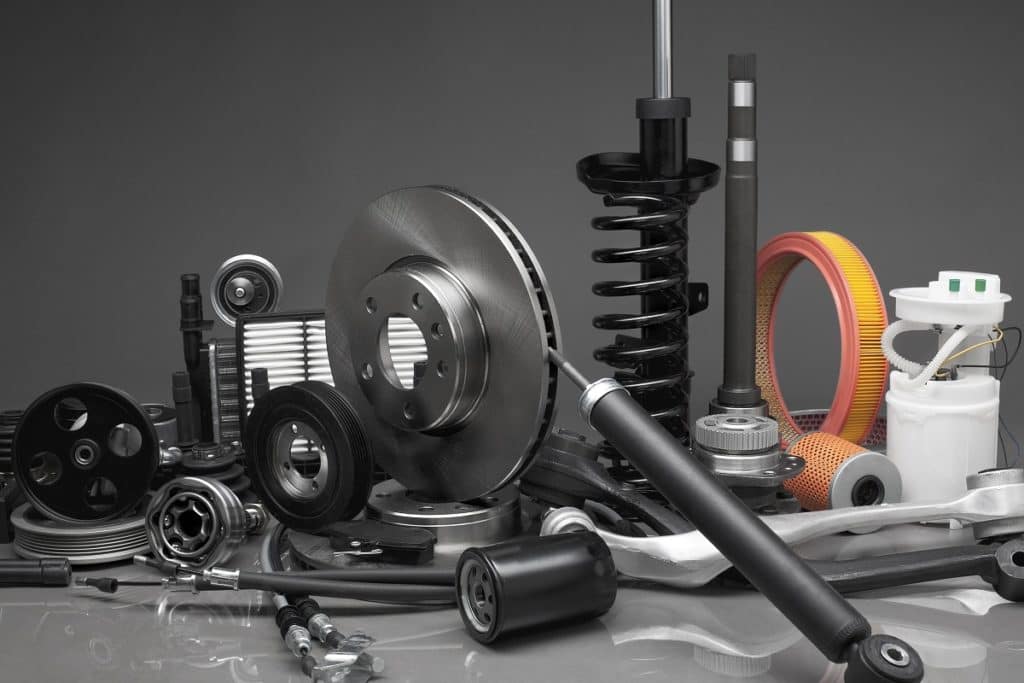
The modern automotive industry is a marvel of engineering, producing vehicles that are safer, faster, and more technologically advanced than ever before. However, this rapid innovation comes with a substantial environmental footprint. Millions of vehicles reach the end of their operational lives each year, leaving behind a massive trail of steel, plastic, rubber, and hazardous fluids.
Historically, an old car was viewed as mere junk, destined to rust away in a forgotten scrapyard. Today, the perspective has shifted dramatically. Auto parts recycling has evolved into a sophisticated, multi-billion-dollar global industry that bridges the gap between economic savings and environmental stewardship.
Choosing recycled auto parts, often referred to as green or salvaged parts, is no longer just a budget-conscious decision for DIY mechanics. It is a powerful consumer choice that drives sustainability while directly keeping money in your wallet.
The Economic Benefits: Keeping Money in Your Pocket
The most immediate and tangible advantage of opting for recycled auto parts is the financial savings. Maintaining and repairing a vehicle can be incredibly expensive, especially when dealing with major component failures. Recycled parts offer a reliable, cost-effective alternative to brand-new components.
Massive Cost Savings on Components
On average, OEM (Original Equipment Manufacturer) recycled parts cost anywhere from 50% to 80% less than their brand-new counterparts. Whether you need a replacement alternator, a side-view mirror, or a complete engine assembly, buying used can save you hundreds or even thousands of dollars. Because these parts are salvaged from vehicles that may have been written off due to rear-end collisions or body damage, the mechanical components under the hood are often in perfectly good, working condition.
Access to Genuine OEM Quality
When you buy cheap aftermarket parts to save money, you often compromise on quality, fit, and durability. Aftermarket components are manufactured by third-party companies and may not perfectly replicate the exact specifications of your vehicle.
Recycled parts, however, are genuine OEM components. They were built by your vehicle’s original manufacturer specifically for your make and model. This ensures a perfect fit and restores your car to its original factory standards without the premium price tag of a new OEM part.
Availability of Rare and Discontinued Parts
If you drive an older vehicle, a classic car, or a model that has been discontinued, finding brand-new replacement parts can be a nightmare. Manufacturers eventually stop producing components for older models, leaving car owners stranded. Auto recyclers and salvage yards serve as treasure troves for these rare components. By sourcing from a recycled parts network, you can keep your beloved older vehicle on the road much longer, avoiding the forced financial burden of buying a completely new car.
The Environmental Impact: Healing the Planet One Part at a Time
While the financial perks are compelling, the environmental benefits of auto recycling are arguably even more profound. The automotive manufacturing process is highly resource-intensive. By extending the lifespan of existing components, we significantly lower the ecological strain on Earth.
Conserving Natural Resources and Energy
Manufacturing a brand-new car part requires raw materials, which must be mined, refined, and processed. Mining iron ore, bauxite (for aluminum), and petroleum (for plastics) destroys natural habitats, pollutes local water supplies, and consumes massive amounts of energy.
Recycling auto parts bypasses this entire destructive phase. It takes far less energy to clean, test, and refurbish an existing alternator or transmission than it does to manufacture one from scratch. For instance, recycling steel saves roughly 74% of the energy needed to produce virgin steel, keeping valuable resources in a circular economy.
Drastic Reduction in Greenhouse Gas Emissions
The industrial facilities that manufacture new automotive components release millions of tons of carbon dioxide and other greenhouse gases into the atmosphere every year. By choosing a recycled part, you reduce the demand for new manufacturing, which directly lowers global carbon emissions. Additionally, because recycled parts are often sourced locally or regionally from salvage yards, the carbon footprint associated with long-distance shipping and international logistics is minimized.
Keeping Millions of Tons of Waste Out of Landfills
A car is composed of thousands of individual pieces made from steel, aluminum, plastics, rubber, glass, and fabric. If left to rot in a landfill, these materials take centuries to decompose. Auto recycling centers dismantle end-of-life vehicles with precision. They harvest every usable mechanical part, body panel, and electronic module. What cannot be sold as a functioning part is sorted by material type and sent to specialized recycling facilities. This process keeps millions of tons of solid waste out of municipal landfills annually.
Preventing Toxic Chemical Contamination
Vehicles rely on a variety of highly toxic fluids to operate safely, including engine oil, brake fluid, coolant, transmission fluid, and windshield washer fluid. When a vehicle is abandoned or improperly disposed of, these fluids leak into the ground, contaminating soil and penetrating local groundwater tables.
Professional auto recyclers follow strict environmental regulations. The very first step in the recycling process involves carefully draining and capturing all hazardous fluids. These fluids are then either safely neutralized, processed for reuse, or refined into new industrial lubricants, preventing ecological catastrophes.
How the Modern Auto Recycling Process Works
The image of a chaotic, dirty junk yard is a thing of the past. Modern auto recycling facilities operate like reverse manufacturing plants, using precise protocols to ensure quality control and environmental safety.
-
Vehicle Intake and Inspection: When a vehicle arrives at a recycling facility, it is thoroughly inspected. Workers assess the vehicle’s damage, check its maintenance history, and determine which components are viable for resale.
-
Fluid Depollution: The vehicle is placed on a specialized rack where all fluids are systematically drained. This includes gasoline, diesel, engine oil, coolant, refrigerant, and brake fluids.
-
Dismantling and Categorization: Skilled technicians carefully remove high-value components such as the engine, transmission, starter motor, alternator, electronic control modules, and intact body panels.
-
Testing and Refurbishing: Harvested parts undergo rigorous testing to ensure they function safely and efficiently. Many parts are cleaned, reconditioned, or rebuilt with new seals and bearings to guarantee longevity.
-
Inventory Management: Certified parts are logged into computerized inventory tracking systems, detailed by vehicle year, make, model, and mileage. This makes it incredibly easy for mechanics and consumers to find the exact part they need online or over the phone.
Tips for Consumers Buying Recycled Auto Parts
To get the most out of your experience and ensure you are getting a safe, reliable component, keep these practical tips in mind when sourcing recycled auto parts.
Work with Reputable Recyclers
Always buy from established auto recycling facilities that belong to professional trade organizations, such as the Automotive Recyclers Association. These businesses adhere to strict ethical, environmental, and quality standards, giving you peace of mind regarding the history and condition of the part.
Know Your Vehicle Specifications
Before contacting a recycler, locate your vehicle identification number (VIN). The VIN provides the exact production details of your vehicle, ensuring the recycler matches you with a part that is completely compatible with your specific trim level and engine configuration.
Inquire About Warranties
Reputable auto recyclers stand behind their products. Many offer standard 30, 90, or even 180-day warranties on mechanical parts like engines and transmissions. Always clarify the terms of the warranty and understand what is covered before finalizing your purchase.
Conclusion: A Win-Win Choice
Embracing recycled auto parts is one of those rare consumer choices where there is absolutely no downside. It allows you to beat the rising costs of vehicle maintenance, secure high-quality OEM components, and keep your car running smoothly without breaking the bank. Simultaneously, you act as an environmental guardian, conserving precious natural resources, curbing industrial pollution, and reducing landfill waste. The next time your vehicle requires a repair, look toward the green highway of recycled auto parts, a choice that honors both your wallet and the planet.
Frequently Asked Questions
What is the difference between a recycled auto part and a remanufactured auto part?
A recycled auto part is an original component removed from a donor vehicle, inspected for quality, cleaned, and sold as-is. A remanufactured part has been completely disassembled, worn internal elements are replaced with brand-new components, and it is reassembled and tested to match original factory performance levels, often carrying a longer warranty.
Are recycled auto parts safe to use for critical systems like braking or steering?
Yes, provided they are purchased from a certified, reputable auto recycler who tests and inspects the components. Many body panels, steering racks, and mechanical parts are perfectly safe. However, items prone to high wear, such as brake pads or rotors, should generally be purchased new for optimal safety.
How do auto recyclers handle electric vehicle batteries when decommissioning a car?
Electric vehicle (EV) hybrid and lithium-ion batteries are handled with specialized safety protocols due to their high voltage. Recyclers carefully remove these battery packs and test their health. If the battery cells are still viable, they are resold as replacement units or converted into stationary energy storage systems. If they are degraded, they are sent to dedicated chemical recycling facilities to extract valuable metals like lithium, cobalt, and nickel.
Can buying recycled auto parts void my vehicle standard manufacturer warranty?
No, buying recycled parts does not automatically void your vehicle warranty. In the United States, legislation like the Magnuson-Moss Warranty Act protects consumers, meaning a manufacturer cannot void your warranty simply because an unoriginal or used part was installed, unless they can definitively prove that the specific recycled part caused the subsequent failure.
Do insurance companies allow or encourage the use of recycled parts in accident repairs?
Yes, many insurance companies actively utilize recycled parts for collision repairs to help manage claim costs. If your vehicle requires a replacement fender, door panel, or bumper cover, insurance adjusters frequently specify high-quality, recycled OEM components, provided they match the exact condition and specifications of your vehicle prior to the accident.
What happens to the glass and upholstery of a vehicle during the recycling process?
Vehicle glass is often salvaged intact if it is free of cracks, particularly windshields and side windows. If damaged, it can be crushed and repurposed into fiberglass insulation or asphalt materials. Upholstery, foam, and interior plastics are either repurposed for industrial textiles and soundproofing materials or processed through advanced plastics recycling networks to create new consumer goods.